Is a homestay legal? What MOTAC registration means for your booking
By Janice · Updated 2026-07-09
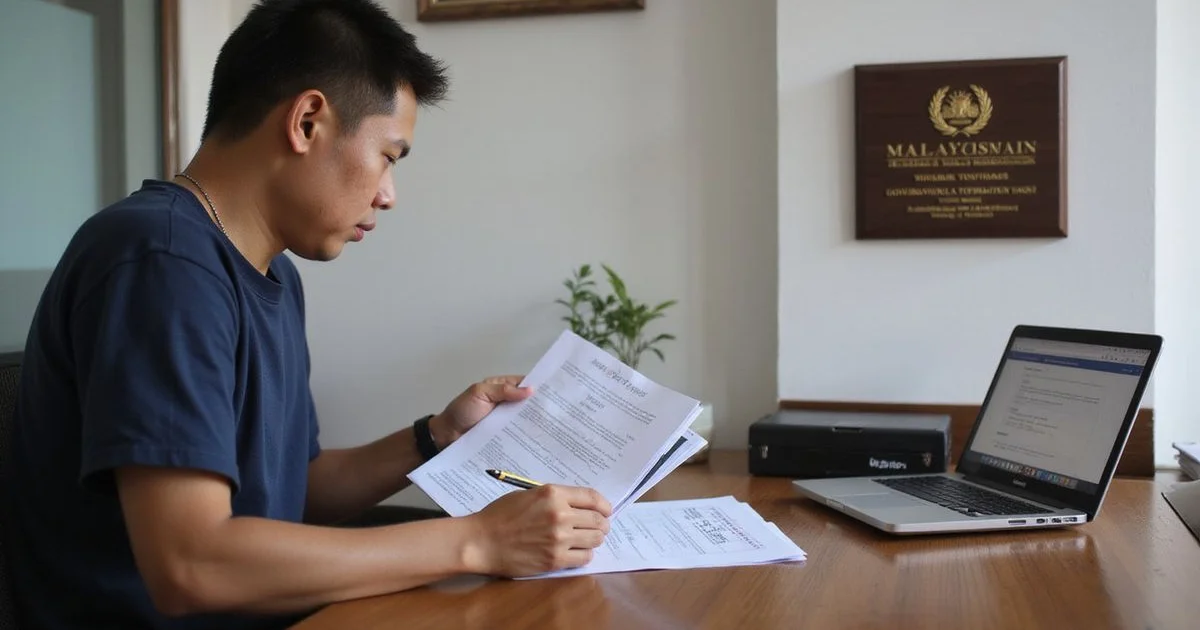
This is general information about how homestay registration works in Malaysia, not legal advice. Rules can vary by state and change over time, so confirm current requirements with the relevant authority or the property itself if it matters to your decision.
“Is this legal” is not usually the first question travellers ask when booking a homestay, but it is a reasonable one, especially for guests newer to this type of accommodation.
What homestay registration actually is
Malaysia has a formal homestay program run through the Ministry of Tourism, Arts and Culture, commonly referred to by its abbreviation, which sets standards and registers eligible host families, particularly those operating under community-based tourism initiatives. Registered hosts are meant to meet certain criteria around the property and how it is run.
In practice, the homestay market is broader than just the formally registered program. Many properties marketed as “homestay” today are privately run short-term rentals that may or may not fall under that specific registration framework, depending on how they operate and where they are located.
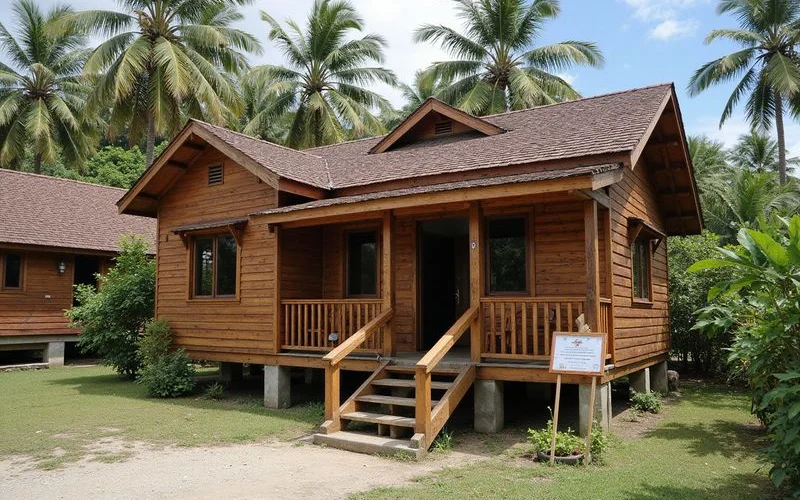
This distinction matters because “homestay” has become a general term for a wide range of accommodation, from a traditional village house genuinely part of a community-based tourism program to a private house or apartment rented out short-term with no connection to that formal scheme. Both can be perfectly legitimate businesses, but they sit under different levels of oversight, which is worth understanding rather than assuming the label alone tells you everything.
Why this matters to you as a guest
Registration status is not primarily about whether you will have a good stay. It relates more to the legal and regulatory footing of the property, which can matter in situations like a dispute over a deposit, a serious safety issue, or if you specifically want to support the formal community-based homestay program rather than a private rental.
For a typical family trip or weekend getaway, most guests weigh recent reviews, host responsiveness and property condition more heavily day to day than registration status alone. But it is still worth asking about, particularly for a longer or higher-value booking.
How to check before you book
There is no single public lookup that covers every homestay in Malaysia, so the most practical approach is asking the host directly and paying attention to how they answer.
| What to ask | What a good answer looks like |
|---|---|
| Is this property registered under the national homestay program? | A clear, specific yes or no, not a deflection |
| What community or association is it part of, if any | A concrete name rather than a vague reference |
| Are there any local permit requirements you operate under? | Willingness to explain, even briefly |
A host who is vague or avoids the question is not necessarily operating illegally, but it is one more data point alongside reviews and communication quality when you are deciding where to book.
The bigger picture
For most travellers, registration status is one factor among several, not a dealbreaker on its own. Recent guest feedback, clear pricing and responsive communication tend to matter more for a typical short stay. Where it becomes more important is for longer bookings, group events, or if formal recourse matters to you in case something goes wrong.
If supporting the formal, community-based side of Malaysia’s homestay program specifically matters to you, whether for the cultural experience it offers or simply as a preference, it is worth asking hosts directly whether they operate under that program rather than assuming any listing described as a homestay is part of it.
To compare properties with recent guest ratings factored in, browse the full directory, and see how we score listings for details on how this directory evaluates homestays beyond registration status alone.
FAQ
- Do all homestays in Malaysia have to be registered?
- Homestays operating under the formal government program are expected to register with the Ministry of Tourism, Arts and Culture, though in practice many small-scale properties operate outside that formal structure.
- What happens if I book an unregistered homestay?
- It is not automatically unsafe, and many well-run properties operate informally, but you have fewer formal protections if something goes wrong, since there is no registration body overseeing the listing.
- How can I check if a homestay is registered?
- Ask the host directly whether the property is registered under the national homestay program, and treat a clear, confident answer as a positive sign, similar to how you would evaluate any other trust signal.
- Does registration guarantee a good stay?
- No. Registration relates to legal operating status, not to cleanliness or service quality, so it is worth checking alongside recent guest reviews rather than instead of them.