Organising a school or youth group trip: what to know about booking a homestay
By Janice · Updated 2026-08-02
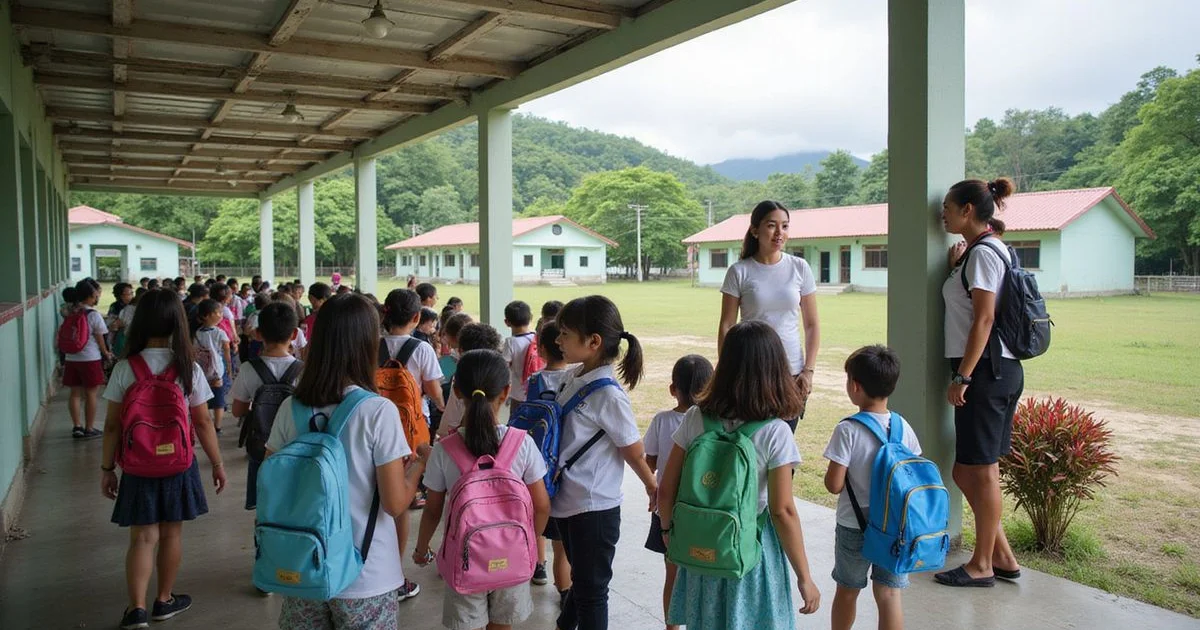
Booking a homestay for a school trip, youth camp or student group brings different priorities than a family holiday. Supervision, headcount and communal space matter more than any single amenity, and a property that looks ideal for a family of five can fall short once you are managing thirty students and a handful of chaperones.
Start with realistic capacity, not the maximum listed
A property’s stated maximum occupancy is often based on comfortable sleeping arrangements for a mixed group of adults and children, not necessarily what works for a school group where supervision ratios and separate sleeping arrangements for different age groups or genders may be required. Contact the host directly with your actual numbers, including chaperones, rather than relying on the headline capacity figure.
What matters most for group organisers
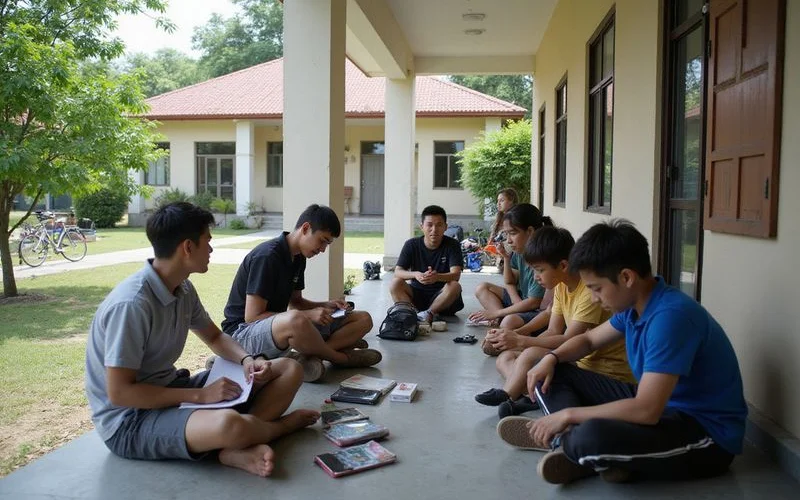
Shared and communal space. A property with a genuine common area, whether a large living room, dining hall or outdoor compound, makes group activities, briefings and mealtimes far easier to manage than a house built primarily around individual bedrooms.
Layout for supervision. Ask about how bedrooms are arranged relative to each other and to common areas. A layout where chaperones can reasonably keep an eye on multiple rooms is more practical than one spread across separate floors or wings with no clear sightlines.
Outdoor or activity space. For youth groups in particular, an outdoor compound, field or nearby natural setting adds real value beyond just accommodation, especially for camps or retreats built around group activities.
Kitchen and dining capacity. If the group is self-catering or bringing in meals, a kitchen and dining area sized for group cooking and eating together makes mealtimes far smoother than a household kitchen meant for a single family.
Choosing between one large property and several smaller ones
It is tempting to split a large group across two or three smaller, cheaper listings, but this usually creates more work than it saves. Coordinating headcounts, curfews and emergency contact across separate properties is significantly harder than managing one site, and it also makes it easier for a student to end up somewhere unsupervised between locations. Where budget allows, one larger property, even at a higher total cost, is generally the safer and more manageable choice for a group organiser. If a smaller, budget-friendly property is still on the table for part of your group, the budget homestay listing checklist covers what to check before booking one.
Questions to ask before booking
| Ask the host | Why it matters for a group booking |
|---|---|
| What is the realistic capacity for a supervised group, not just maximum guests? | Avoids overcrowding beyond what is comfortable or safe |
| Is there a large enough communal space for group activities? | Supports briefings, meals and group time together |
| What is the layout for supervision across bedrooms? | Helps chaperones manage the group effectively |
| Are there restrictions on noise or activities for larger groups? | Avoids conflict with neighbours or the host mid-trip |
Budgeting for a group
Because most homestays quote a whole-property rate, a larger group booking one bigger property is often more cost-effective per head than splitting into several smaller bookings, on top of being far easier to supervise. Confirm the total cost, including any fees for a larger group, before committing, since cleaning and turnover costs can scale with group size.
Getting the details right early
The earlier you confirm exact numbers, sleeping arrangements and any specific requirements with the host, the fewer surprises you will have closer to the trip date. Private hosts are generally accommodating, but they are not always set up for institutional bookings by default, so clear communication upfront makes a real difference.
It is also worth asking early whether the host has hosted a school or youth group before. A host with that experience is more likely to already understand supervision needs, curfews and group meal timing, which can save a lot of back and forth compared with a property that has only ever hosted families or couples.
To compare larger properties suited to groups, browse the full directory and filter by category and size. See how we score listings for background on how ratings here reflect recent guest experience.
FAQ
- How many students can a typical family or villa homestay hold?
- It varies widely by property, but larger family and villa homestays can often accommodate a school-sized group when several rooms and shared spaces are combined, so check maximum occupancy carefully against your actual numbers.
- Do homestays offer group discounts for schools?
- Some hosts are open to this for longer bookings or larger groups, but it is not standard, so it is worth asking directly rather than assuming a discount is available.
- What paperwork might a host ask for with a school group?
- This varies by host and is worth confirming directly, since a private homestay does not necessarily follow the same booking process as a commercial venue used to institutional group bookings.
- Is one large property better than splitting a group across two?
- For supervision, almost always yes. Keeping the group together in one property makes headcounts, meal times and evening supervision far more manageable than coordinating across two locations.