First time booking a homestay in Malaysia: a beginner's guide
By Janice · Updated 2026-07-29

If you have only ever booked hotels, a homestay works differently enough to be worth a short explanation before your first booking.
How a homestay differs from a hotel
A homestay is usually a private house, apartment or villa run by an individual host or family, booked as a whole property rather than by the room. Instead of a front desk and standardised service, you are dealing directly with the person who owns or manages the property, which means more variation between listings but often more space and flexibility than a hotel room for the same budget.
This also means there is no central customer service desk to call if something goes wrong, so communication with your host matters more than it would at a hotel. The upside is a more personal experience, often with a kitchen, more space to spread out, and a host who can give local recommendations a hotel front desk usually cannot.
The main categories to know
Homestays in this directory fall into a few broad types, and knowing which fits your trip narrows the search considerably:
- Budget homestay, a simpler, smaller unit priced for cost-conscious stays.
- Family homestay, a larger house built for groups travelling together.
- Apartment or condo homestay, a unit inside a residential building, usually closer to town.
- Villa or bungalow homestay, a larger standalone property, often for bigger groups or special occasions.
- Homestay with a private pool, any property type with a pool as the standout feature.
- Farm or nature stay, a property set in a rural or agricultural setting for a different pace of trip.
How the booking process works
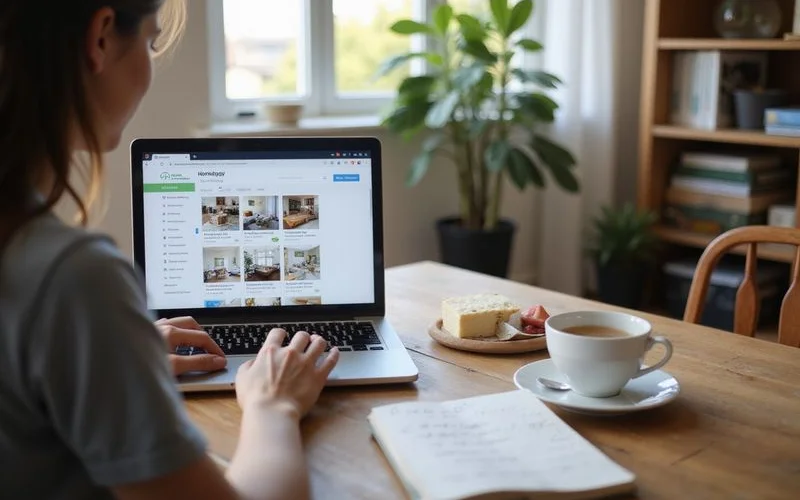
Booking a homestay generally follows a similar pattern regardless of which host you approach: you enquire about your dates, the host confirms availability and price, you agree on total cost including any fees, and you pay a deposit or the full amount to hold your dates. Details like check-in time and access method are usually confirmed closer to your arrival date.
For a first booking, it is worth writing down or saving the agreed price, dates and cancellation terms somewhere you can find them again, rather than relying on memory of a phone call. A saved message thread is usually enough, and it becomes useful if anything needs clarifying closer to your trip.
What to check before you pay
A few habits will serve you well on your first booking and every one after it:
| Check | Why it matters |
|---|---|
| Recent guest reviews, not just the overall rating | Recent feedback reflects the property as it is now |
| Total cost including fees, in writing | Avoids surprises after you have committed |
| Bedroom and guest capacity against your group | Prevents an overcrowded or oversized booking |
| Cancellation and refund terms | Protects you if your plans change |
If a budget homestay is what you are leaning toward for your first trip, the budget homestay listing checklist goes into more specific detail on what to check.
Common first-time concerns, and how to think about them
New guests often worry most about legitimacy and safety. In practice, the same checks that apply to any online booking apply here: look at how many recent reviews a property has, whether the host answers questions clearly and specifically, and whether the terms are put in writing before you pay. A host who is evasive about basic questions is worth treating cautiously, regardless of how good the photos look.
Another common first-time question is whether to book the very first listing that looks appealing or to compare several. It is worth taking the time to message two or three hosts with the same questions before committing, since response speed and clarity often vary more than the properties themselves, and that comparison tells you a lot about what your actual stay will be like.
Where to go from here
Once you have a sense of which category suits your trip, browse the full directory to start comparing specific listings by recent guest rating. For a closer look at how those ratings are calculated, see how we score listings before you dive in.
FAQ
- What is the difference between a homestay and a hotel?
- A homestay is typically a private house or unit run by an individual host, booked as a whole property, while a hotel is a commercial operation with individual rooms and on-site staff.
- Is it safe to book a homestay for the first time?
- Generally yes, especially when you check recent reviews, confirm terms in writing, and ask direct questions before paying. The same common sense that applies to any online booking applies here.
- How is a homestay usually paid for?
- Most hosts ask for a deposit or full payment to confirm your dates once terms are agreed, similar to booking a private rental. Get the payment and cancellation terms confirmed before transferring money.
- What should I look at first when comparing homestays?
- Start with property type and group size to narrow your options, then compare recent reviews and total cost, including any fees, before looking at photos alone.